

Our method: from photographs to a hybrid film
Six steps from your references to a finished film.
Request a quote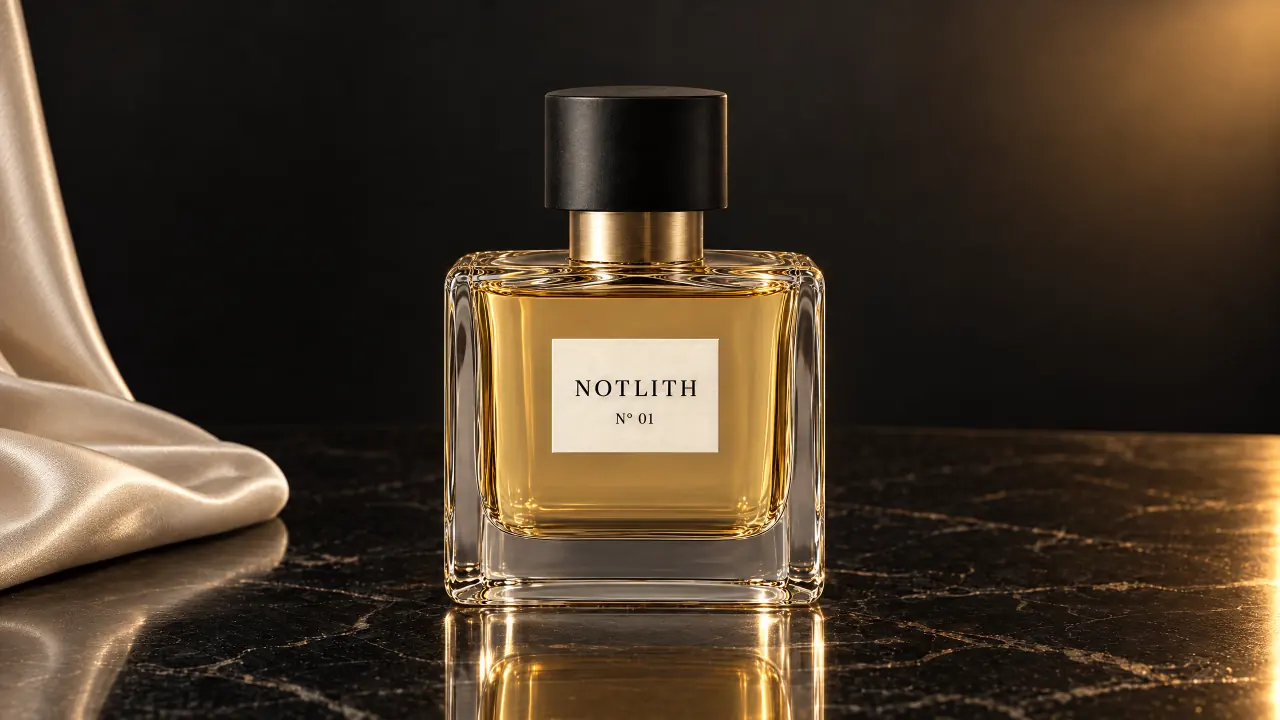
We do not film on location. We create a hybrid film from your photographs: a script gives the imagery direction, then selection, editing, colour grading and sound shape the finished result. Artificial intelligence participates in creating sequences; people make the creative decisions and check the film. This process explains what you provide, what we produce and when a different production method is the better choice.
Updated
1. Start with a usable reference set
Prepare at least ten real photographs where possible: different angles, relevant details and wider context. For software, use screenshots from the version being promoted and public-safe dummy information. A logo, brand guidelines or a PDF may clarify the brief. Avoid sending confidential records and personal details that have no role in making the film.
We assess whether the material describes the subject well enough. Explain the audience, the intended action and the features that must remain exact. Fewer images call for a tailored assessment, rather than invented visual details. You need the necessary permission to use the supplied photographs and brand materials; finding an image online is not the same as holding those rights.
2. Write the sequence before creating the shots
The story chooses a direction: reveal a product, introduce a place, explain a journey or express a brand identity. We give each shot a purpose, then consider angles, movement, transitions and moments of stillness. A succession of impressive images is not a script. The final invitation should follow naturally from what the viewer has seen.
Duration and planned versions influence this writing. A short advert cannot carry every detail of a company presentation. We plan the logo, wording and essential notices early enough for them to remain readable. Claims about the product or business come from approved information, not from an attractive scene that happens to suggest a benefit.
3. Create, review and select hybrid sequences
Generated sequences are developed against the references and shot plan. We check the identity of the object, consistency of the environment and the way motion continues between images. A striking result is rejected if it changes the product or contradicts the brief. Selection is part of production, not an automatic acceptance of everything the tool returns.
In this context, AI advertising means using artificial intelligence within the creation of advertising material. Notlith uses it to help produce images for a finished film; we do not describe an automated targeting or media-buying service. Generation alone does not resolve errors in lettering, movement, small details or the relationship between shots.
4. Edit and colour-grade by hand
Editing determines pace, continuity and the order in which information arrives. Colour grading brings contrast and tones into a consistent world. Text and logos require their own checks rather than relying on generated lettering. Sometimes a simpler cut gives a scene more clarity than an additional visual effect.
The finished demonstration films let you assess the treatment of materials, continuity between shots and the relationship between sound and image. Notice the details you would like to emphasise and the pace that might suit your subject. These fictional concepts provide a starting point for discussing your own creative direction.
5. Shape music, sound and narration
Sound follows the action. A small detail may need a precise sound, a transition may need a pause, and a product reveal may work without a spoken sentence. Music and narration are balanced with the edit so that the film does not simply layer several competing messages. The voice should support what the image is doing.
Included languages and voice options follow the current package. A human performance requires a separate quote with the intended use defined. Adapting a language can affect sentence length and timing, so translation is considered with the edit. Subtitles and special delivery requests must be confirmed as deliverables rather than assumed to be included.
6. Review the whole film and deliver its versions
The revision rounds shown in the package give a framework for feedback. Gather comments, identify the sequence concerned and distinguish a factual correction from a new creative direction. Replacing the subject, adding a product or changing the campaign can alter the scope instead of being a small adjustment to the original film.
Delivery follows the agreed duration, versions and format. This offer describes landscape 16:9 films. Before distribution, check the destination, brand information and notices relevant to your business. Timing is confirmed after the reference set and requirements have been reviewed; we do not promise one production lead time for every project.
Where a real shoot is the right answer
Interviews, testimonials, live events and documentary demonstrations rely on real people or actions. We do not create a supposed customer endorsing a product or a look-alike representing an employee. The demo brands and situations are fictional and labelled. A hybrid film should not be mistaken for evidence that an event actually occurred.
Hands, faces, crowds, small wording and precise mechanisms can expose the limits of generated imagery. When their accuracy is central to the brief, a camera production or specialist technique may be more suitable. We label our demonstrations openly; this explanation does not make unsupported claims about the law in every country where a viewer may see them.
DIY tool, hybrid studio or camera production?
A self-service tool leaves the script, trials, selections, editing and quality control with you. Our service brings those stages together around an agreed finished film. A camera crew captures actual people, places and moments when the story requires that evidence. The useful comparison is the material produced and the work each route leaves to your team.
Start with the message and the references, then compare scope. A generated clip, an edited advert and a documentary production are different deliverables. Our package section gives a pricing framework for the film and versions you need. The quote describes the actual versions, responsibilities and limits for your project.
Watch the finished films
AI-generated film from photographs, finished by hand. English, adaptable to your language
SHOWCASE
Films for Product ad
Your references, hybrid storytelling, a human-led finish.
Hybrid film · English, adaptable to your language Hybrid film · English, adaptable to your language Beverage can
Explore the offerHybrid film · English, adaptable to your language Bottle
Explore the offerHybrid film · English, adaptable to your language Jacket
Explore the offerHybrid film · English, adaptable to your language Armchair
Explore the offer
1 of 5
English, adaptable to your language
Films generated with AI from photographs and finished by hand. Fictional concepts, without client case studies or claimed retouching times.
Questions about the process
How do you make a promotional film using AI?
We start with references and a script, produce and select sequences, then edit, colour-grade and build the sound. Generation is one stage within the hybrid production process.
Will my product be changed?
Its identity and features must remain faithful to the reference images. A result that changes them should not be presented as the real product.
Does this include a camera shoot?
No. Interviews, testimonials and events that need to be documented call for real filming.
Are the demonstrations client projects?
No. Our demonstration films are labelled fictional concepts, without invented commercial results or customer endorsements.
Hybrid audiovisual company
Ready to discuss your project?
You have the photos. Notlith builds the film.